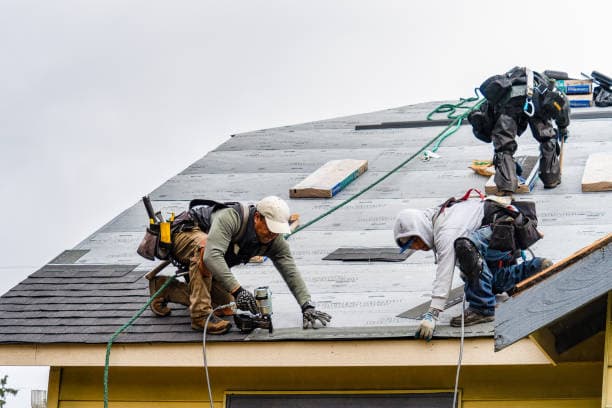
In the trades, leadership isn't about having all the answers—it's about building teams that can solve problems without you. Crews that wait for instructions at every turn will only move as fast as the leader. If the leader stops, the work stops. But self-sufficient crews—crews that understand priorities, adapt to changing conditions, and make smart decisions—create momentum that lasts.
And in small businesses with lean operations and no back office, that kind of crew isn't a luxury. It's a necessity.
Why Self-Sufficiency Matters in the Trades
The field is unpredictable. Weather delays, missing materials, changing scopes, client requests—there’s no checklist long enough to cover it all. That's why effective leadership doesn't mean controlling everything. It means equipping the crew to operate when you're not there.
Small trade businesses—whether it's landscaping, tiling, painting, or railing installs—often start with the owner doing everything. But that model caps out fast. When everything depends on one person, growth stalls, burnout kicks in, and jobs slip. There should be no single point of failure.
Scaling the operation means shifting from "doer" to "leader"—and that starts with building teams that can execute without constant oversight.
Step 1: Train the Thinking, Not Just the Task
Most training stops at the how. But self-sufficient crews need to understand the why. When workers know the reason behind the work, they can adapt when things change.
Instead of just showing how to install a section of railing or lay a tile line, explain:
- What the tolerances are—and why they matter
- What the end result should look like
- What kinds of problems typically come up—and how to fix them
This mindset shift is backed by research from Harvard Business School, which found that teaching people how to think—rather than just what to do—leads to better problem solving, faster decisions, and higher job satisfaction (Edmondson, 1999).
Step 2: Define the Mission
Clarity is the foundation of autonomy. Every crew should understand the answers to three questions:
- What’s the goal of this job?
- What does success look like?
- What are the non-negotiables?
This doesn’t require fancy systems. A simple pre-job brief that covers scope, client expectations, known constraints, and key deliverables can make the difference between a crew that flounders and one that finds its way.
Step 3: Create Feedback Loops
Autonomy doesn't mean silence. Crews should have channels to report back what’s working, what’s not, and what decisions they made. This builds trust, accountability, and continuous improvement.
Field leadership expert David Marquet calls this "pushing authority to information"—letting the people with the clearest view of the situation make the call. But for this to work, there needs to be feedback.
Use daily check-ins, post-job reviews, or even a quick photo log of completed work. Review it. Give feedback. Then step back again.
Step 4: Build Systems, Not Dependencies
If every job needs a call to the office to find the gate code, you're doing it wrong. Build simple systems that give crews the info they need:
- Shared job files or app-based systems
- Clear contact lists
- Material checklists
- Scopes with visuals and examples
Some lines of work may not have jobs that can be broken down into variables that repeat with each project, but chances are there are some that you can pull out into a checklist (Railing Company: Permitted? Color? Glass or Pickets? Fascia Mount or Surface Mount? House Access Required?).
Step 5: Reward Initiative
The fastest way to kill self-sufficiency is punishing mistakes that come from good decisions. If a crew member took initiative, followed the intent, and still missed the mark, don't crush them. Coach them.
Correct the outcome, reinforce the right behaviour, and sharpen the decision-making process. Over time, crews learn to think critically—and they take more ownership.
Research from Gallup shows that teams with high autonomy and clarity perform 21% better and have 41% lower no-shows. People want to own their work. The right leadership gives them permission to do so.
The Bottom Line
Self-sufficient crews don’t happen by accident. They're built through intentional leadership, clear systems, and a culture of ownership. Start by shifting your mindset: from taskmaster to mission leader.
Teach the why.
Clarify the mission. Build systems that support—not control.
Then get out of the way.
When your crews can execute without you, that's when your business starts to scale.
GET IT DONE.